Carolyn Kuan Brings Heritage, Renewal and Joy to the TSO’s Lunar New Year Concert
“Lunar New Year marks a reset. When we truly listen — one note at a time — we are fully in the present moment.”
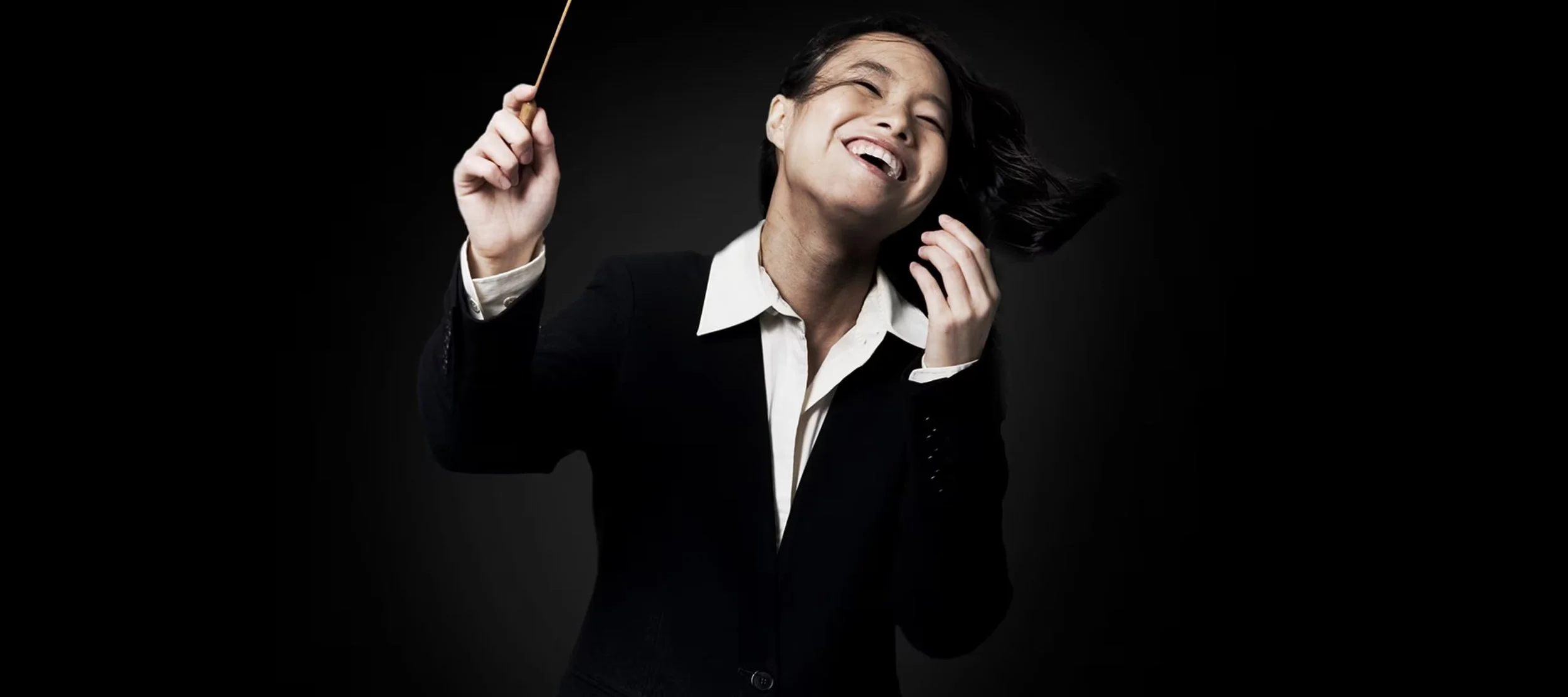
Carolyn Kuan. Photo via TSO.
As conductor Carolyn Kuan steps onto the podium at Toronto Symphony Orchestra’s Lunar New Year celebration later this week at Roy Thomson Hall, the moment will carry far more than musical significance. For Kuan, the concert represents a convergence of heritage, artistry and a career-long commitment to using classical music as a bridge between cultures.
“Conducting a Lunar New Year concert is deeply personal for me, because it brings together two parts of who I am: my Chinese heritage and my life in the Western classical music world,” Kuan says. Growing up, Lunar New Year meant family, tradition and sound. It was a time filled with music, laughter and generations gathering around the same table. To share that spirit feels very meaningful. It’s a way of honouring my roots while speaking through the musical language I’ve devoted my life to.”
That devotion has taken Kuan to major stages across North America. She has led Chinese New Year concerts with the San Francisco Symphony, helped shape Seattle’s Celebrate Asia concerts, and recently conducted the Chinese classic Monkey King with the San Francisco Opera — a story, she notes, that “most Asians know and grew up with.” Her relationship with the TSO stretches back more than a decade. She first collaborated with the orchestra during its New Creations Festival in 2013. “I’ve long admired the artistry of this orchestra,” she says. “To now share a Lunar New Year celebration together feels like a joyful full circle.”
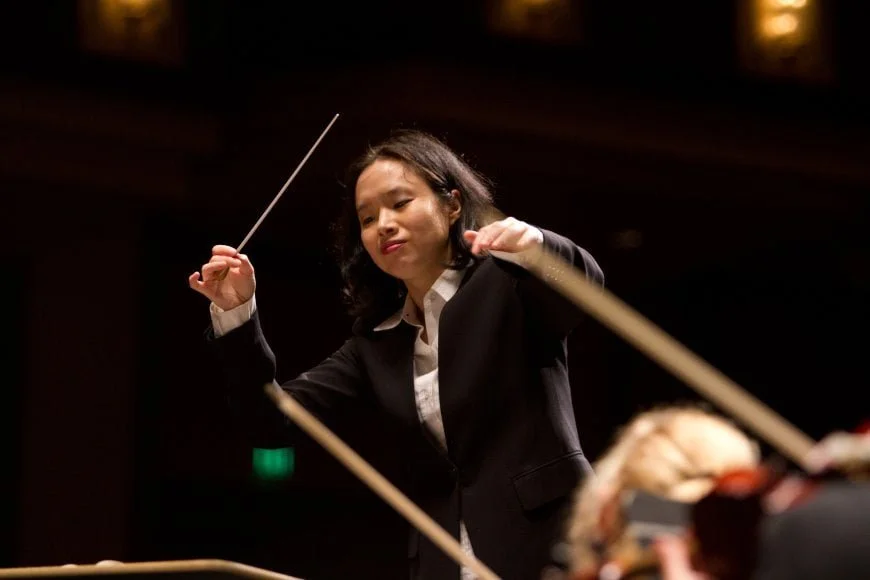
Photo: Steven Laschever
At the heart of the program are the themes that define the holiday itself: renewal, continuity, family, hope. “It’s also about sound: celebration, movement, gathering, joy,” Kuan explains. Translating those ideas into a symphonic program isn’t easy. For the conductor, it means finding contrast and balance in igniting a festive energy, while maintaining a reflective rhythm.
This year’s concert is as collaborative as always. Comedian and cultural icon Dashan (a.k.a. Mark Rowswell) returns to host and narrate; pipa sensation Wu Man introduces audiences to the distinctive timbre of the traditional Chinese instrument; and 15-year-old rising pianist Ryan Huang performs Grieg’s beloved Piano Concerto. The program also features works by composers who bridge East and West, including Huang Ruo and Canadian composer Vivian Fung.
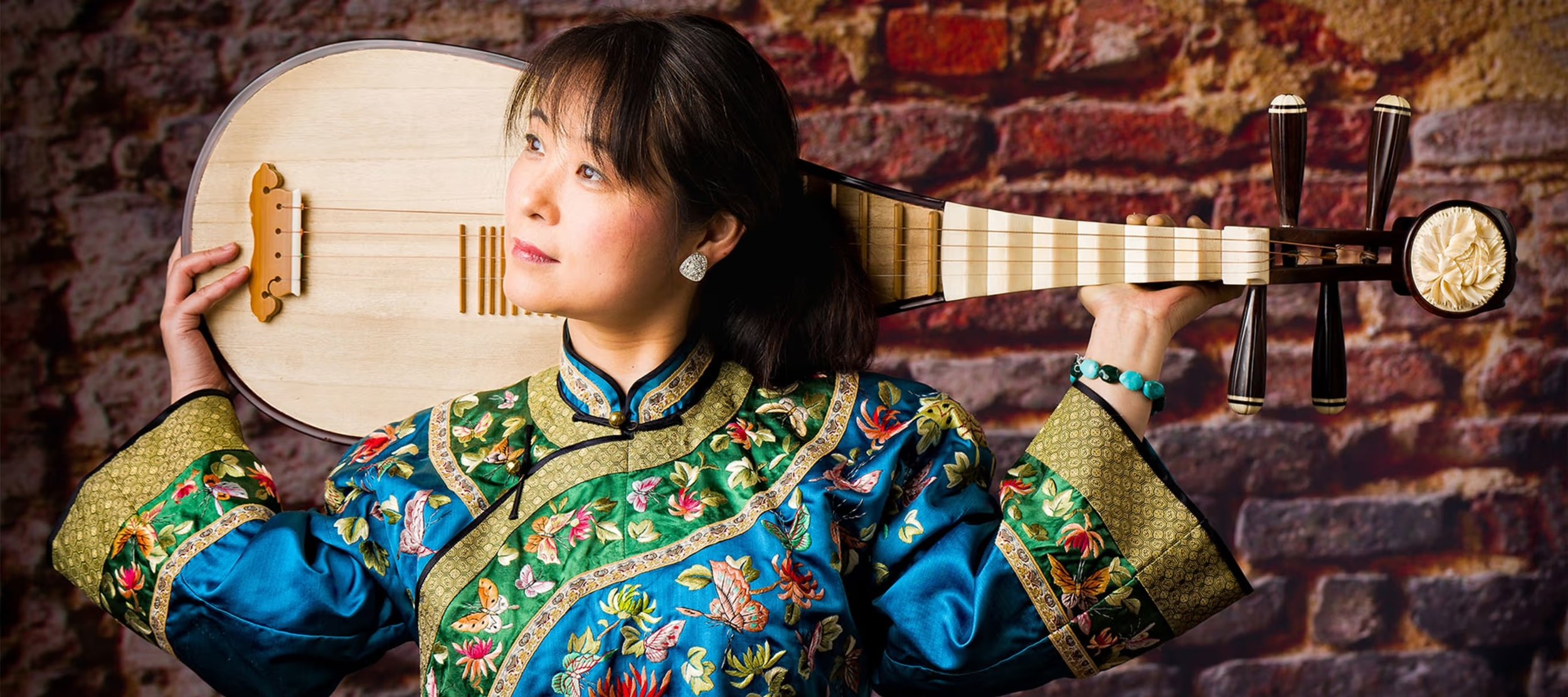
Wu Man. Photo via TSO.
For Kuan, some of these collaborations carry particular resonance. Working with Man, she says, is always special, not least because many Western listeners may be hearing the pipa live for the first time, and sharing traditional Chinese instruments is always meaningful for the musician.
Her connection to Ruo’s music, too, is personal. Kuan conducted the premiere of his 2012 project Folk Songs, and the two have developed a close artistic friendship. “As conductors, we often wish we could know Mozart or Beethoven personally to better understand their intentions,” she reflects. “Having that living relationship with a composer is rare and precious.”
Dance also plays a key role in the upcoming concert. As a child, Kuan trained as an aspiring ballerina, and that early love has never faded. So, collaborating with Mississauga’s Yang Yang Dance Studio, whose young dancers will perform, adds another “emotional dimension” to the evening for her.
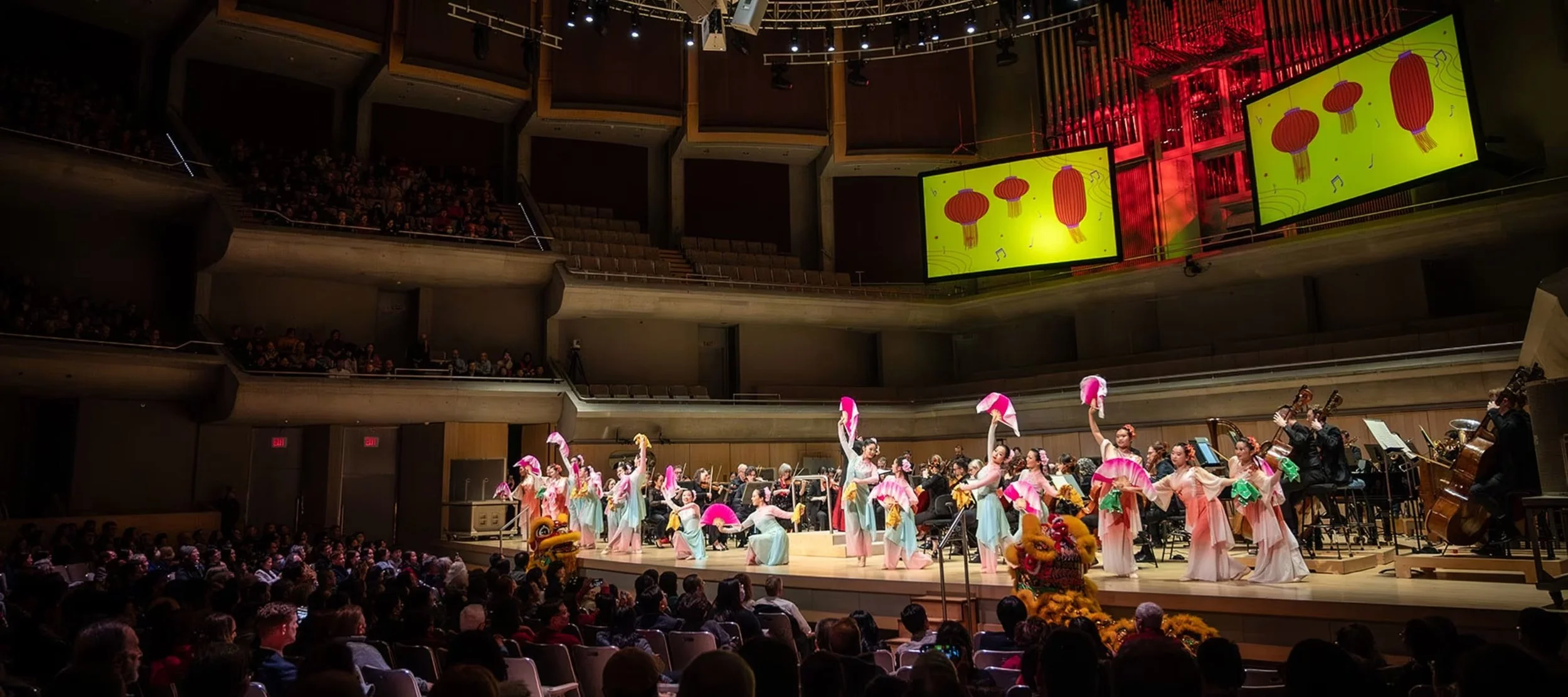
Yang Yang Dance Studio at a previous TSO Lunar New Year concert. Photo via TSO.
Over the course of her career, Kuan’s relationship with music has evolved alongside her life experience. “Life is music. Music is life,” she says simply. “As I experience life and the world over the years, naturally my relationship with music has grown and deepened.” That perspective shapes how she thinks about performance, as something closer to guided meditation. “In a world that feels chaotic,” she adds, “Lunar New Year marks a reset. When we truly listen — one note at a time — we are fully in the present moment. That, to me, is renewal.”
It's no surprise, then, that Kuan views music and performances like this as powerful cultural and generational bridges. “Music is a universal language,” she says. “A Lunar New Year concert is an opportunity [for] cultures [to] meet. While someone from the Chinese community celebrates the New Year with familiar music not usually heard in the concert hall, someone unfamiliar with these traditions may encounter them for the first time through music, without language barriers. That’s powerful.”
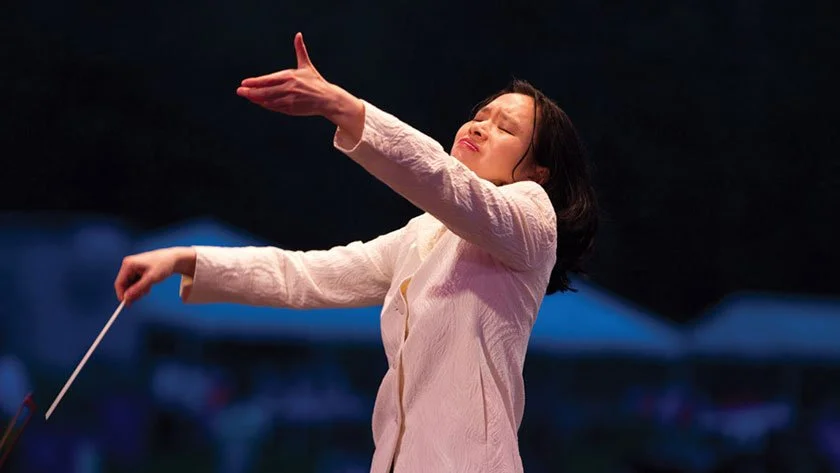
Photo: Steven Laschever.
The impact can be especially profound for younger audiences. “Lunar New Year is about passing traditions forward,” Kuan notes. “If a child sees their heritage reflected in a major concert hall, that leaves an imprint. If another child discovers something new and beautiful about a different culture, that opens a door.”
Ultimately, she sees the evening as something larger than a single performance. “When we sit in a hall together, listening, we are sharing time and breath,” Kuan says. “In a fragmented world, that act alone is meaningful. For me, this concert is not just a performance. It’s a celebration of connection — of family, of renewal, of curiosity and of our shared humanity.”