Why South Asian Pop Stars Finally Had Their Moment in 2025
Streaming, social media and film have reshaped how pop stars are made, opening the door for brown artists to thrive.
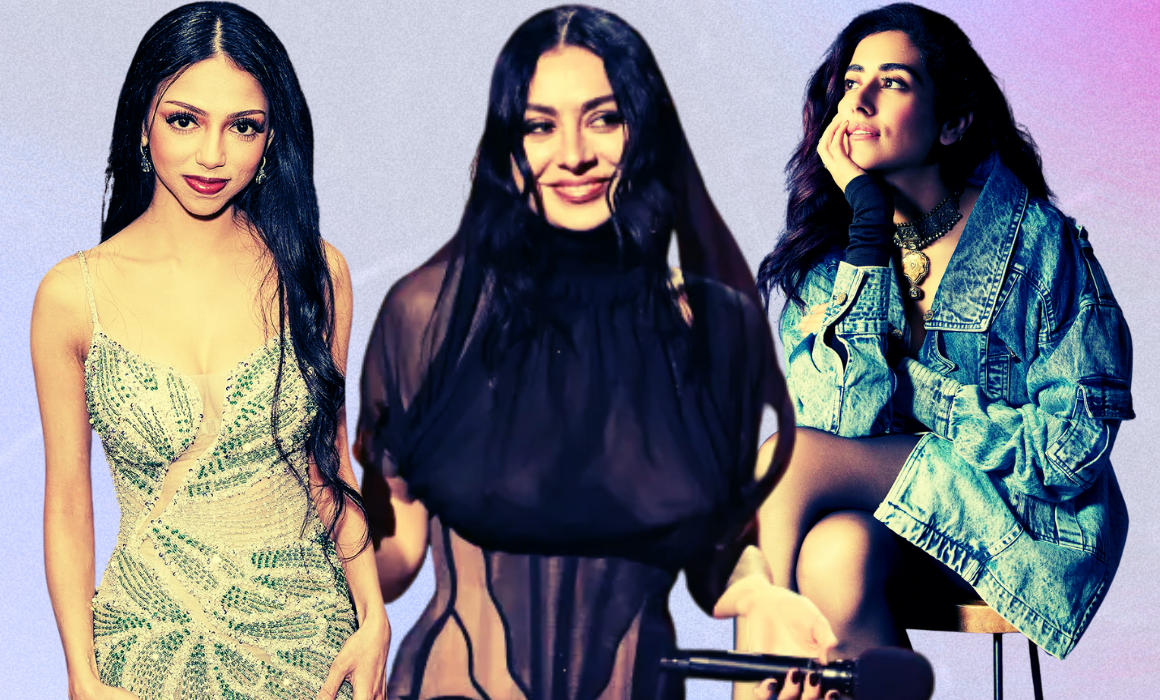
Photo Illustration: RepresentASIAN Project. Photos: Getty Images; Courtesy photo.
For years, South Asian artists have been everywhere and nowhere in Western pop: essential to the sound (via production, remixes, samples, club circuits), but too often treated as “niche” unless they were packaged as novelty or tokenized as crossover. Over the past year, that equation finally shifted. South Asian artists and music showed up across platforms, genres and screens, with audiences ready to meet them there.
One of the biggest new talents is Indo-Canadian singer and Toronto native Jonita Gandhi, who already made a name for herself working as a playback singer in Bollywood, performing in Hindi, Urdu, Tamil, Punjabi, Marathi, Gujarati and Bengali. Earlier this year, she released her Love Like That EP, going from behind-the-scenes vocalist to centre stage pop artist.
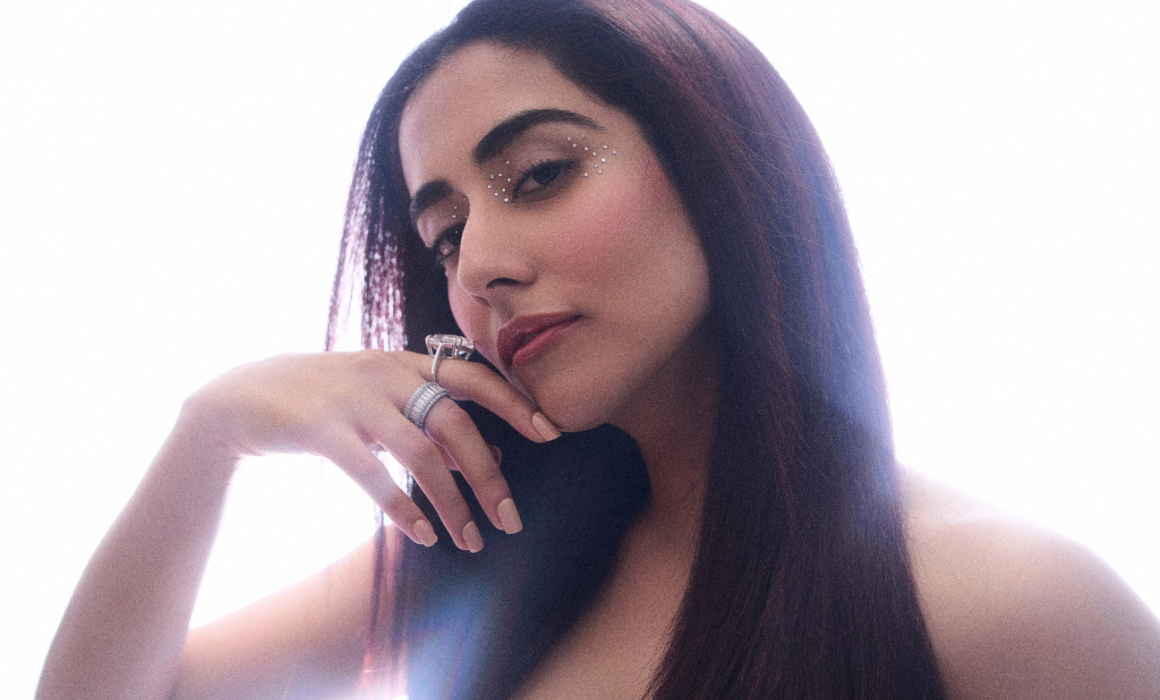
Jonita Gandhi. Courtesy photo.
A similar transition played out with Saleka, the Pennsylvania-born daughter of Oscar-nominated director M. Night Shyamalan who has been toiling away behind the scenes for some time, opening for the likes of Summer Walker and Giveon, and creating music for her father’s TV series Servant and films Old and Trap. It was after the release of Trap, in which she also played a pop star, one whose show is overtaken by a serial killer on the loose. This time around, she not only had a voice in her father’s work, but a face. Although the Trap soundtrack, comprised of her own music, was released under her character’s name, Lady Raven, it also led to fresh attention to Saleka’s own music. After all, this was a time when the entire Shyamalan family were keeping busy, with the director’s other daughter, Ishana, releasing a film of her own. The marketing machine played up the culturally-motivated hard work roiling through the girls’ veins, neither of whom denied the nepotism at play, making their story more endearing (nepo babies, take note!).
It's also worth mentioning the messy, maximal pop discourse around Charli XCX, who was arguably the biggest artist of the year with her critically acclaimed and bestselling album Brat. Her rise, which will see her turn to acting and drop a soundtrack for the already buzzy film Wuthering Heights in the new year, has come after toiling away in the industry for years. In 2025, Charli XCX became her own household name without having to rely on collaborations or the saccharine music out of sync with her style. Still, her Indian heritage continues to be treated like trivia (bring it up at dinner and count how many friends didn’t have a damn clue she’s a mixed girl), and is something she rarely expounds on, minus a few occasions where she’s touched on how it made her feel othered in school and in the industry.
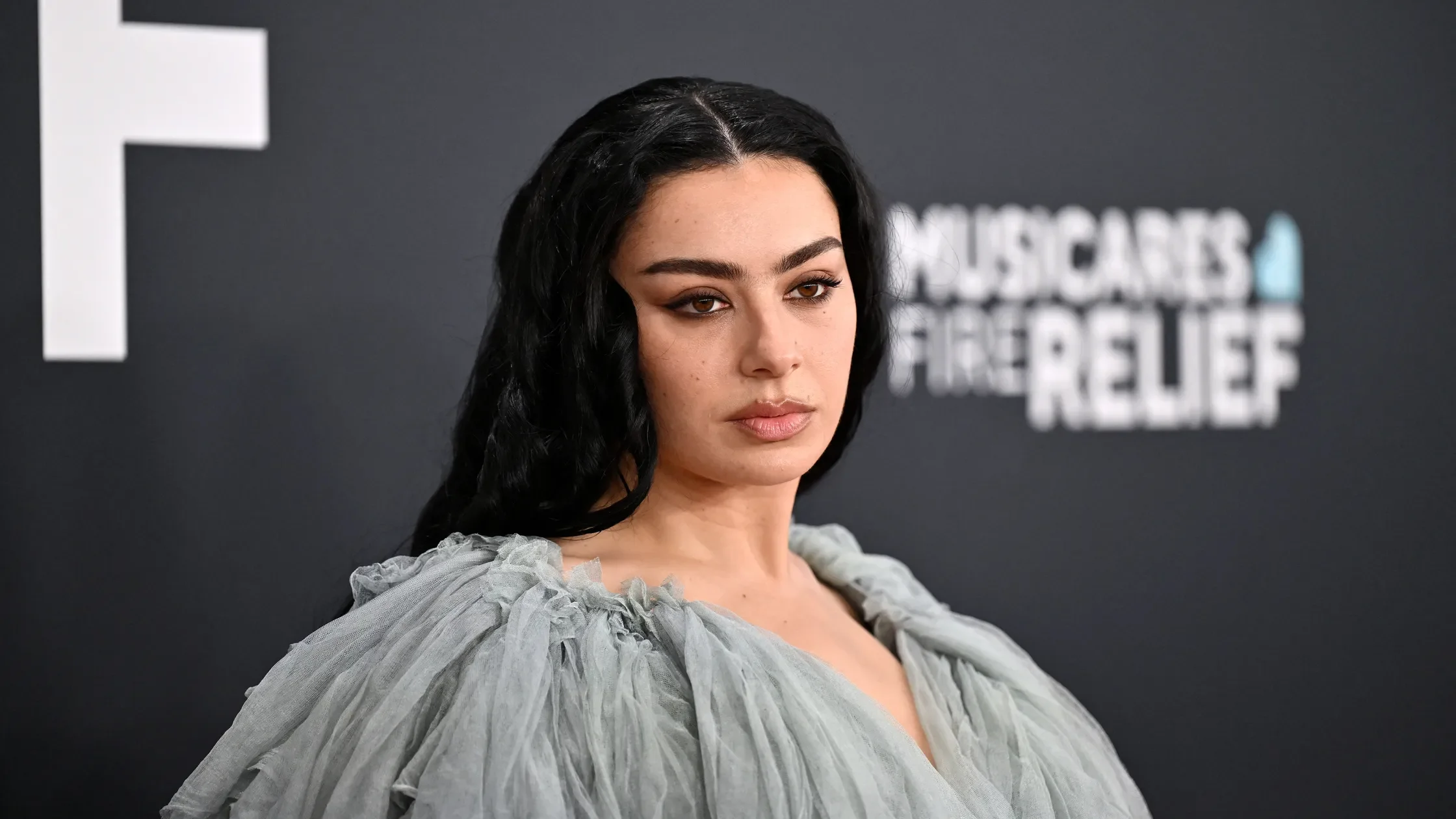
Charli XCX at the 2025 Grammy Awards. Photo: Robyn Beck/Getty Images.
Hollywood’s brings new heights
The clearest signal that this “moment” is far from fleeting is how this pop stardom is also being built through fictional pop stars, the kind that can dominate a film’s narrative, soundtrack and marketing in one swoop. In Disney’s Freakier Friday, Ella (played by Never Have I Ever star Maitreyi Ramakrishnan) is a rising young pop singer who is managed by Lindsay Lohan’s character. She’s larger than life, quirky, and gets to perform. This, including Manny Jacinto as Lohan’s new love interest, confirms this move was intentional in its efforts to diversify the franchise from the racially tone-deaf 2003 original movie.
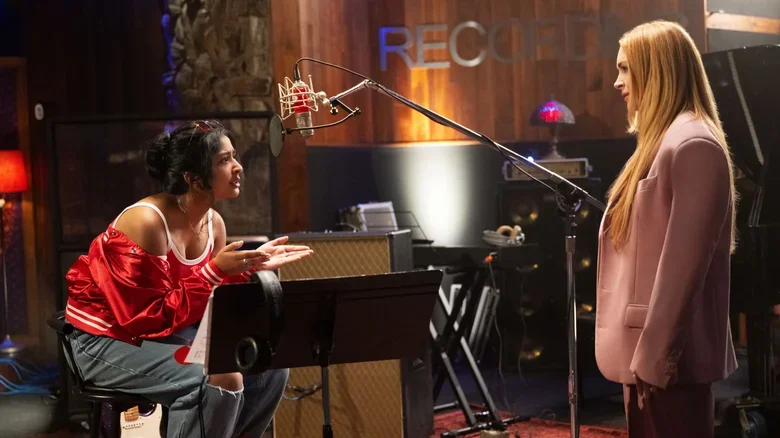
Maitreyi Ramakrishnan in ‘Freakier Friday’. Photo: Glen Wilson/Walt Disney Studios Motion Pictures.
Then we have Smile 2, a surprisingly solid follow-up to the great 2022 original. The sequel stars British Indian actress Naomi Scott, who previously played Jasmine in the 2019 live-action Aladdin. She plays Skye Riley, a mega pop star whose public comeback and looming tour become the pressure cooker that horror feeds on. Like Saleka, the Smile 2 soundtrack is entirely comprised of music performed by her as her character.
Add Trap to this trend, and it seems as if art is simply imitating life…or vice-versa? If prestige drama often treats pop stardom as either shallow spectacle or moral downfall, horror and comedy are more flexible and that flexibility creates opportunity.
Pop stars are, by definition, people whose bodies and faces are public property — photographed, consumed, interpreted. Horror already operates in that territory, through paranoia, surveillance, the loss of control, the fear of being seen and perceived at all times. In Smile 2, for instance, Skye’s toxic celebrity, dread and the public scrutiny around her is what the horror feasts on. For South Asian actresses and performers, this can be a backdoor into pop-star iconography without asking the traditional music industry to “take a chance” first. In other words, her character has nothing to do with her being brown; the same goes for Seleka in Trap.
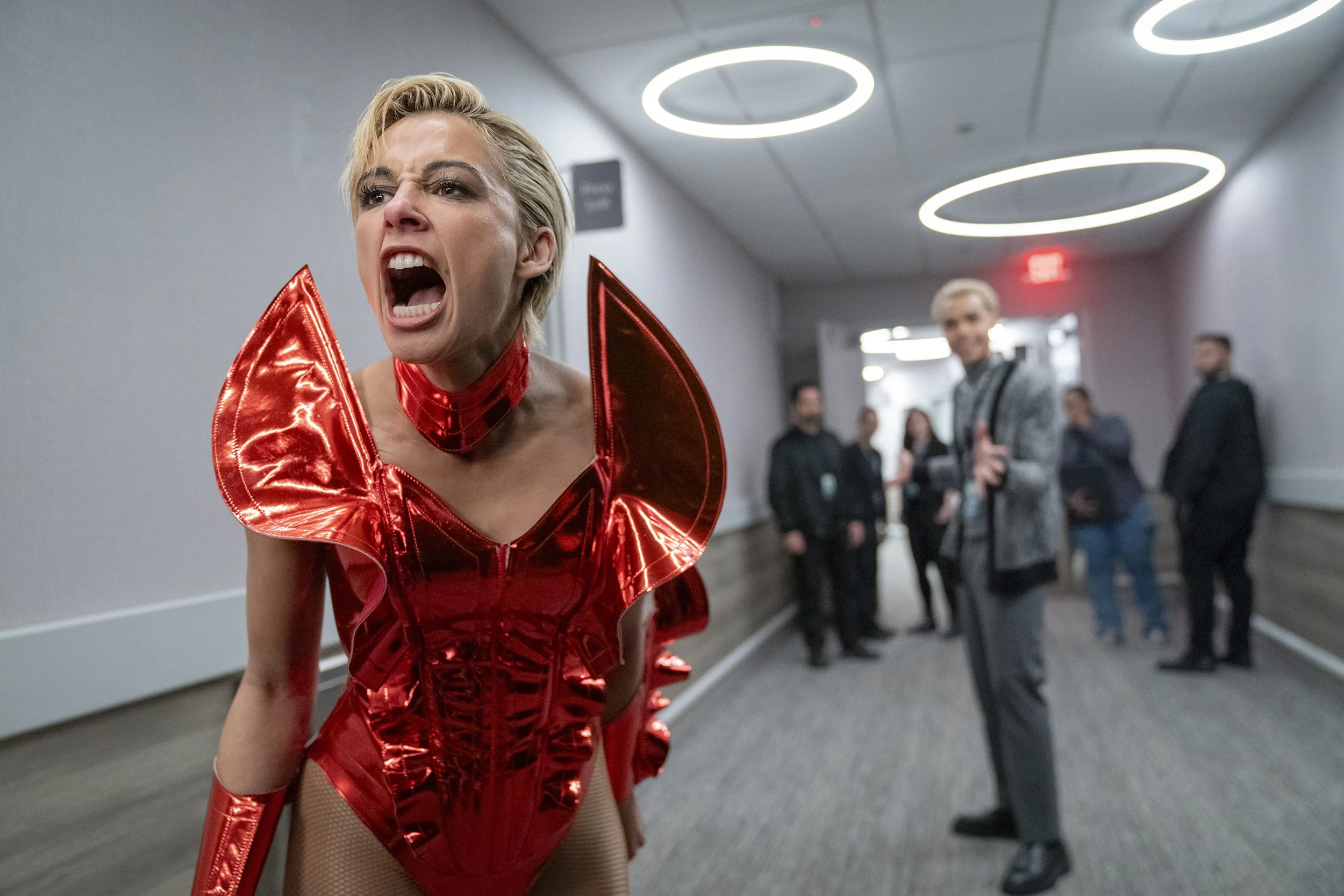
Naomi Scott in ‘Smile 2.’ Photo: Paramount Pictures.
Sure, in the case of Freakier Friday, casting a brown actress was an intentional choice. However, the comedy genre allows Ramakrishnan to be over-the-top: glamorous, bratty, ridiculous, messy. It’s a simple vehicle to remind audiences a pop star can look like and be anyone.
Genre films, evidently, offer a kind of pop-star access that’s less burdened by the industry’s old anxieties about “marketability.” They can introduce a South Asian pop star (or pop-star proxy) as already famous, bypassing the question of whether mainstream audiences will “accept” them because the story insists they already have.
The social media trigger
Part of what’s brought on this rise is the business of global pop. Streaming flattened borders, and audiences have been trained — by algorithms, mainly — to treat multilingual hooks and hybrid sounds as normal. Jonita’s recent projects illustrate that logic: an EP that sits cleanly in contemporary pop while carrying bilingual and diasporic texture, plus high-profile collaborations that frame her as globally legible rather than regionally contained.
At the same time, the “centre” of pop has shifted from radio gatekeepers to constant, participatory internet culture where identity doesn’t have to be translated by an institution before it’s validated. Charli’s Brat era is a useful reference point here not because she’s new, but because the scale of her past year demonstrates how a pop project can become an online language: visuals, captions, memes, a vibe people can wear like a uniform. TikTok itself framed “brat summer” as one of the defining cultural threads of 2024.
@thedigifairy Are you currently having a Brat Summer? 👀💚 #bratsummer #charlixcx #hyperpop #trending #fyp #kamalaharris #digitalmarketing #foryoupage ♬ Cochise X Playboi Carti Beat - Staysee
And then there’s film, which is quietly doing what the mainstream music industry often refuses to do: funding pop-worldbuilding. Saleka’s Lady Raven isn’t just “songs inspired by a movie” — it’s a soundtrack constructed to be diegetic, performed within the film’s concert setting, released alongside the movie as a full pop album. That model turns a musician into a character, a brand, and a marketing campaign all at once, compressing the timeline of recognition.
Social media hasn’t just accelerated the rise of South Asian pop stars; it’s quietly reshaped the conditions under which that rise becomes possible. On platforms like TikTok and Instagram, hybridity no longer needs explanation or translation. A bilingual lyric, a culturally specific reference, or a visual language rooted in diaspora doesn’t have to be softened for mass appeal. In fact, it’s more likely to be a hit because it connects with a massive audience, one that is easier to reach now more than ever. In this ecosystem, South Asian artists aren’t being asked to prove their relatability in advance — the audience decides in real time and for themselves, often responding most strongly to the very details that older industry models would have flagged as “too niche.” In other words, what reigns is fandom, not format. It’s not unlike what’s made K-pop a global delight.
@shreeakaul Yall pls pray for all the roadblocks that are preventing this song from being released to magically lift away amen 🙏🏽🙏🏽 #desi #bollywood #brown #songofthesummer #independentartist ♬ original sound - Shreea Kaul
Say what you will about the toxicity of social media, but it's built a model that is particularly liberating for artists who have historically been kept at the margins of mainstream music, because it allows them to build cultural centrality through community rather than waiting for permission.
Today, the formula is modular and a bit of a Trojan horse: an EP here, a soundtrack there, a meme here. It’s built new space, found new audiences and created a pop-music ecosystem. And once an ecosystem starts returning profit — streams, ticket sales, likes, retweets, costumes, fan edits — it can only grow.