Deli Boys is Back for a Second Season, and it’s Funnier Than Ever

Season 2 poster for Deli Boys out on Disney+ worldwide on May 28. (Photo: Hulu)
When Deli Boys first arrived, it felt like a long-overdue answer to a very specific question: What if South Asian characters on TV got to be something other than model minorities, dutiful children, doctors, lawyers or emotionally repressed overachievers?
The Hulu and Onyx Collective comedy follows Mir and Raj Dar, two pampered Pakistani American brothers whose lives implode after the death of their Baba (father). In the aftermath, they discover that his convenience store empire was also a front for a sprawling criminal operation, forcing them into a world of drugs, power struggles, family secrets and increasingly unhinged decisions. Season 2 premieres [May 28] on Disney+.
If the first season threw Mir and Raj into the deep end, the new season finds them swimming — badly, emotionally and often hilariously — through the consequences.
For Saagar Shaikh, who plays Raj, the second season begins from a place of raw vengeance. After the events of season one, Raj is “bringing a lot of hurt and anger into Season 2,” Shaikh says, explaining that his character is now on a very clear mission: “I have to avenge Baba’s death.”
Asif Ali’s Mir, however, is dealing with grief in a very different way: by not dealing with it at all.
“I feel like Mir is doing the opposite,” Ali says. “He’s fully avoiding his feelings and kind of pushing them away” — about his father’s death, the business, his marriage falling apart and the strain in his relationship with his brother. Instead, Mir is focused on making sure the family becomes financially secure and fulfils Baba’s ambitions.
That emotional split between the brothers remains one of the show’s sharpest emotional threads. Mir wants control, Raj wants revenge, both want to honour their father. Unfortunately (for them, not the audience), neither is particularly equipped to run a criminal enterprise, which is exactly where the comedy lives.
The chemistry between Ali and Shaikh has always been central to the show’s appeal, and both actors say it came together quickly, partly because they already understood the rhythm of brotherhood.

Asif Ali, Poorna Jagannathan and Saagar Shaikh in Deli Boys season 2. (Photo: Hulu)
“We both only have brothers,” Shaikh says. “When you put two brown boys in a room and they only have brothers, they’re gonna be brothers.”
Ali adds that the connection was lucky, but also rooted in how much everyone on the show wanted it to work. “This type of show is so rare and special,” he says. “We all feel an ownership, a responsibility and a desire to make this as best as we can.”
That sense of ownership runs through Deli Boys, which has built its comedy not around flattening South Asian families into stereotypes, but letting them be as dysfunctional, ambitious, loving and chaotic as anyone else. For viewers who have rarely seen Pakistani and brown families reflected this way onscreen, that sloppiness can feel like its own form of representation.
It’s also what drew multi-hyphenate and Toronto native Lilly Singh to the series.
Singh joins Season 2 as Aisha, wife of Maalik Ali, played by Shahjehan Khan. Officially, Aisha is described as a guest role; unofficially, Singh has a much more vivid pitch.
“She’s a wife, but she is a hot mess,” Singh explains. “She flirts with other men, she disrespects her husband. She is the representation all of my aunties need on screen.”
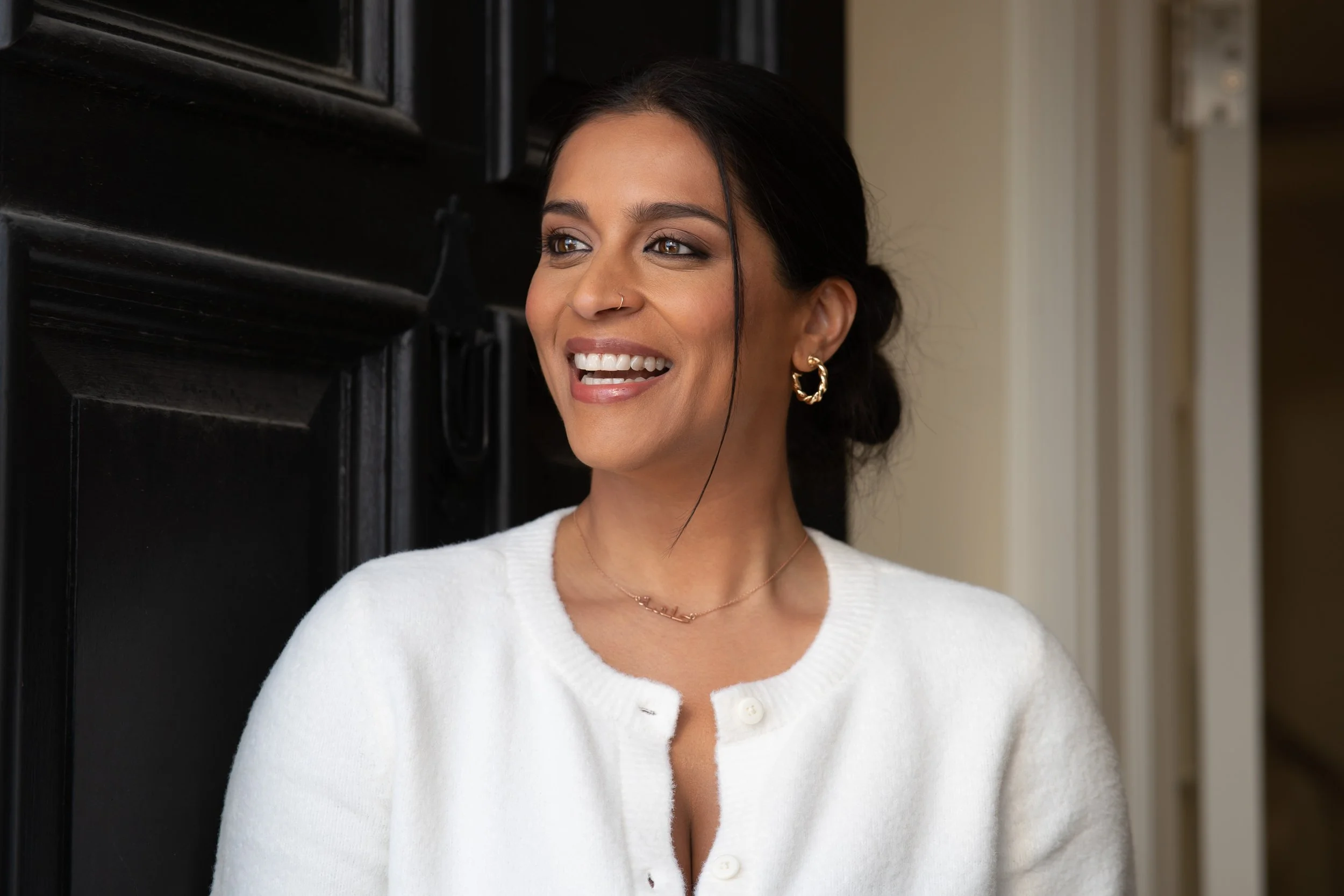
Lilly Singh as Aisha in Deli Boys season 2. (Photo: Hulu)
“When have we ever seen a show full of brown people that get to make poor choices?” Singh says. “We don’t get to be messy. We always have to be smart or strict or put together, and I want more messy characters that are complex and different.”
That philosophy also shapes the kinds of projects Singh says she wants to take on at this stage of her career. Which has certainly become more selective: lately, she’s taken on roles producing, writing and starring in her own 2024 film Doin’ It, launching a media network for South Asian content creators called Hyphen8 in 2025 or, now, playing co-owner of the Toronto Tempo. Whatever the medium, the work can be entertaining, she says, but it still has to have something more underneath it.
“I like to be part of things that are saying something,” she says. “In a world full of noise, what is this thing saying?”
For Singh, Deli Boys is saying plenty. It’s laugh-out-loud funny, but also “strangely about family,” community and representation.
That balance of crime comedy and family drama appears to be even more essential to the latest season, which boasts an especially stacked guest roster, including Fred Armisen, who continues as series regular Max Sugar, alongside recurring guest stars Andrew Rannells and Kumail Nanjiani. Robin Thede also guest stars, with Tan France returning after his delicious but far too brief Season 1 appearance.
The new characters come with their own complications, by the way. Nanjiani plays Danyal, a defence attorney hired by Sugar; Singh’s Aisha becomes obsessed with Raj; Thede appears as Dr. Iverson, a couple’s therapist with questionable ethics; and Rannells is Andrew Chadwater, a district attorney with political ambitions (and a phenomenal name).
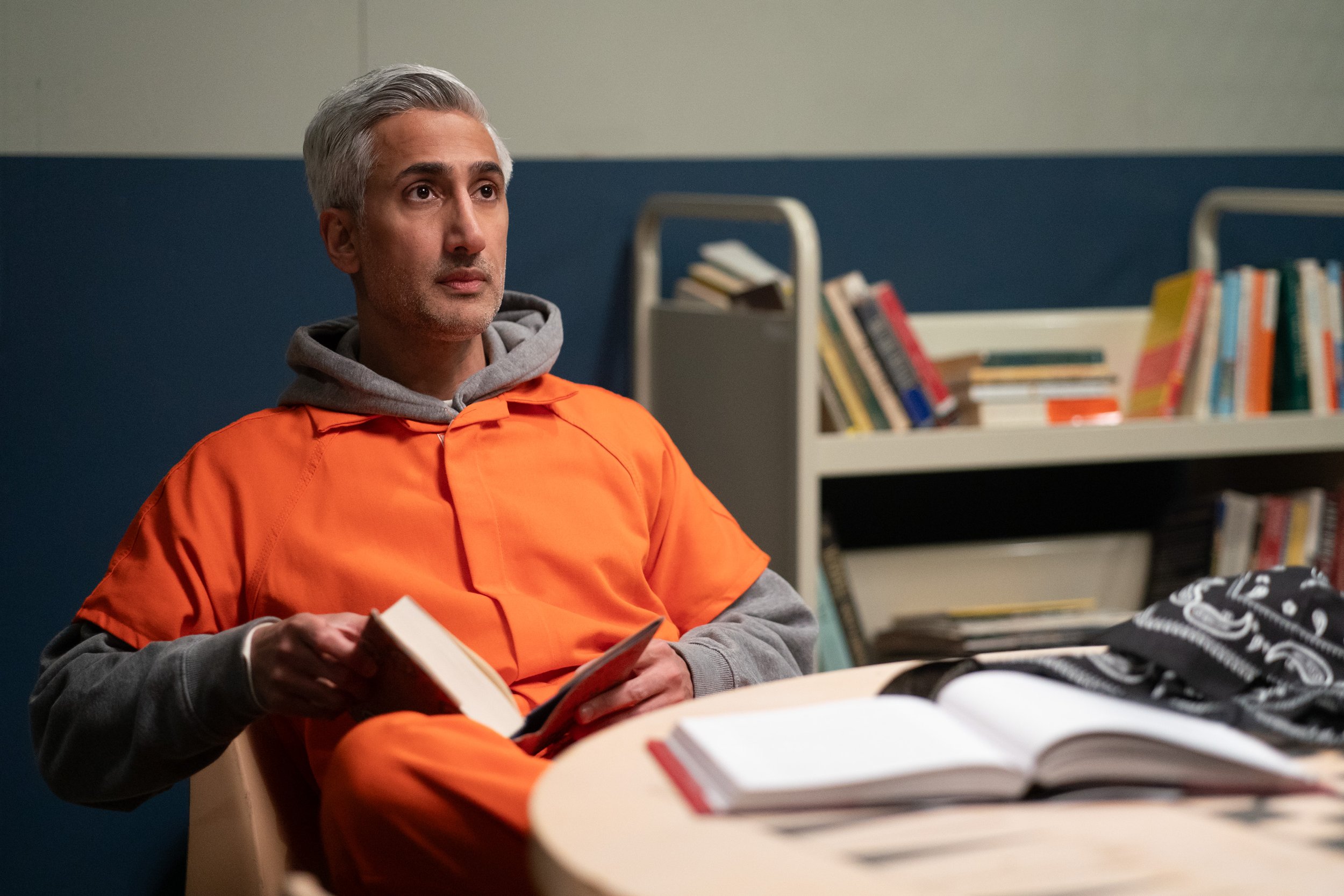
Tan France in Deli Boys season 2. (Photo: Hulu)
For Ali and Shaikh, Armisen was a particular highlight. Ali says working with Armisen carried a surreal comedy weight, especially given how much of his work — from Saturday Night Live to Portlandia — has shaped so many performers. “You forget how much time you’ve spent with him across his projects,” Ali says, calling it “an honour” to work with someone who had influenced his own development and growth in the comedy world.
But what stood out most, Shaikh says, was Armisen’s level of care. “For someone like Fred, who has [so much experience], to him this could have just been another job,” he says. “But the level of care that he brought to the character for this show, it was very clear that, to him, this wasn’t just another job.”
That buy-in seems key to why Deli Boys works. The show’s premise could easily tip into gimmick: two clueless brothers inherit a drug empire. But its specificity — Pakistani American family dynamics, sibling resentment, immigrant ambition, grief, money, masculinity, the list goes on — gives the chaos weight.
Singh, who has spent years talking openly about equity and representation in entertainment, says the industry still has a long way to go, however. In fact, she believes Hollywood has taken steps backward in some areas, which makes a show like Deli Boys feel more necessary than ever.
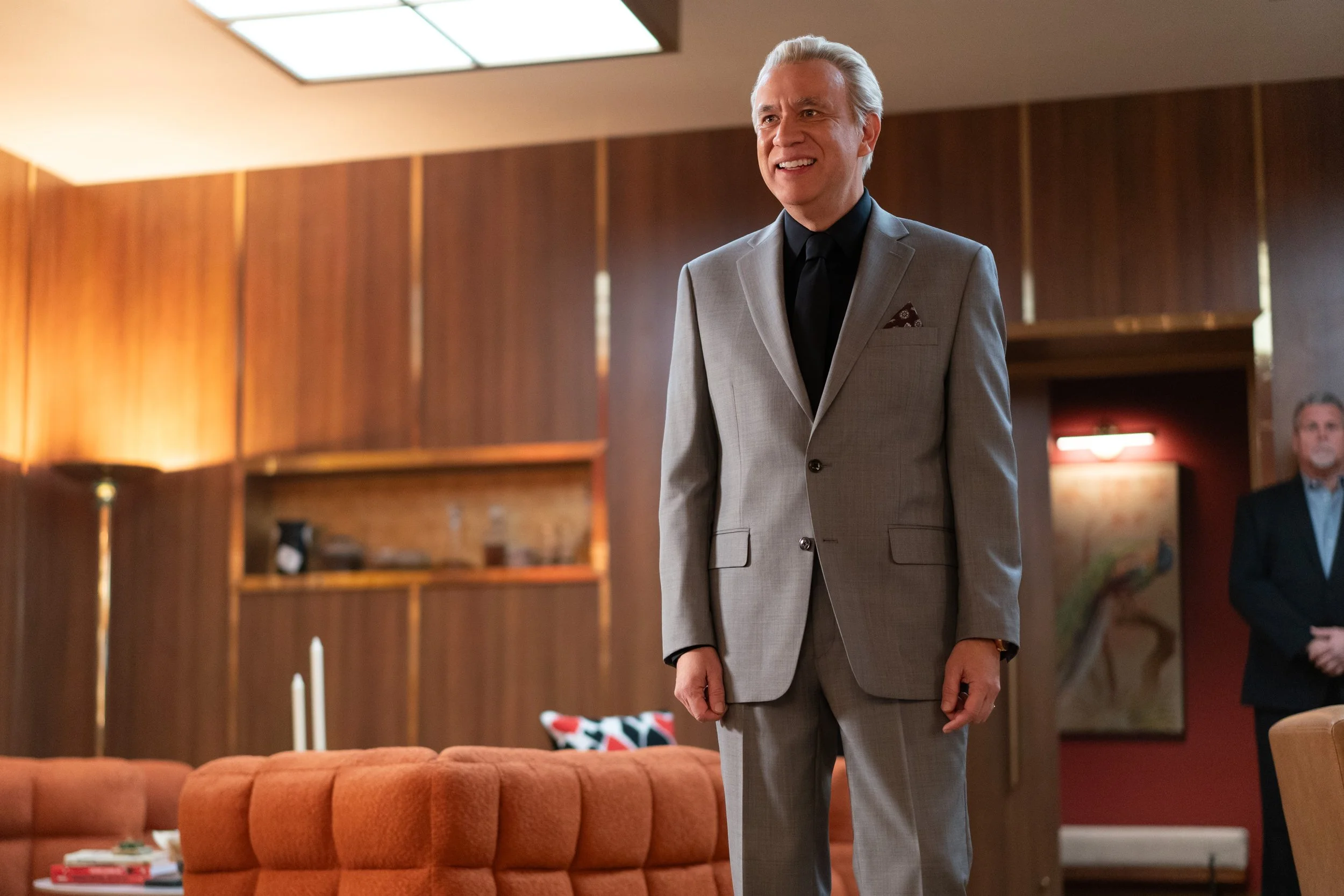
Fred Armisen in Deli Boys season 2. (Photo: Hulu)
“Representation in Hollywood right now is really, really, really hard,” she says. “And the amount of times I wake up and I’m like, I should do something else, this is very difficult. And then I see shows like Deli Boys, I’m like, actually, no, I can’t give up. It’s too important.”
For her, the goal is not some magical finish line where equity is suddenly achieved. Instead, she sees the work as incremental by inspiring people and making one more project possible, and then another, and then another.
“I don’t think that day is ever going to happen,” she says of waking up to a fully equitable industry. “But I think equally important to that is [chipping] away at the path.”
That may be the clearest way to understand Deli Boys, as a show that chips away by refusing to walk the line. Its brown characters are not here to behave. They’re business-ing badly, flirting inappropriately, chasing the wrong kind of power, dodging messy feelings and somehow still trying to hold the family together. As Singh puts it, brown people can be messy as hell. And in Season 2, Deli Boys seems more than happy to prove it.
Deli Boys is available to watch on Disney+ worldwide now.